


Lesson Planning in Thailand: What Schools Provide and How I Prepare My Classes
When I first started teaching in Thailand, lesson planning was probably one of the things I was most curious about. I wasn’t sure how much would already be prepared and how much I would have to create myself.
The good news is that you aren’t expected to start from scratch. You’re given plenty of guidance, but you also have the flexibility to make lessons your own and adapt them to suit the students sitting in front of you. After a few weeks, you start to find your own teaching style and what works best for each class.
The Course Content Is Already Planned
One thing I found really helpful was that the overall course content is already provided.
At the beginning of the term, you’re given a course outline that shows exactly what topics need to be covered throughout the school year. This means you’re never left wondering what you should be teaching each week.
For each lesson, you’ll usually have a topic, vocabulary to cover and conversation ideas or language points for students to practise. Having that structure takes away a lot of the stress, especially when you’re new to teaching.
You’re also provided with lesson plan templates. Many of these already contain the learning objectives and lesson outline, so you’re not creating lesson plans from nothing every single week. If you decide to adapt a lesson, you simply update the lesson plan to reflect what you actually covered in class.

Every Class Is Different
Even when you’re teaching the exact same lesson, no two classes are ever the same.
Some classes will understand new vocabulary almost immediately, while others might need a bit more practice before moving on. That’s completely normal.
Because of that, it’s important to be flexible.
If one of my classes is finding something difficult, I’ll slow the lesson down, simplify the vocabulary or spend more time practising conversations before moving on.
If another class is more confident, I’ll challenge them with more speaking activities or more difficult questions.
The lesson plan gives you a really good structure, but you’re trusted to make small changes when you think they’ll benefit your students.
How I Prepare My Lessons
When I’m planning a lesson, I always start with the topic and vocabulary for that week.
From there, I’ll think about how I want to teach it and what activities will keep students engaged.
Sometimes ideas come to me straight away, and other times I’ll look online for inspiration. There are so many free ESL resources available with worksheets, speaking activities and classroom games that you can adapt to suit your lesson.
I’ll then create my PowerPoint and make sure there’s a good balance between learning new vocabulary, practising speaking and doing something interactive at the end of class.

I Like Asking Students for Their Ideas
One thing I’ve started doing is asking my students what they enjoy.
At the beginning of the school year, I asked different classes what kinds of games and activities they liked doing in English lessons, and it actually gave me loads of ideas.
Sometimes they’ll suggest conversation topics they’re interested in, while other times they’ll recommend games they’ve enjoyed before.
I think students appreciate being asked for their opinion, and it also helps make lessons more enjoyable because you’re including activities they genuinely want to take part in.
Keeping Lessons Varied
I’ve found that changing up the lesson format is really important.
Kahoot is always a favourite in my classroom. Students become really competitive, and it’s a great way to revise vocabulary or check understanding.
But if you use the same activity every week, students can lose interest.
I like alternating between online games, worksheets, pair work, group activities and creative tasks so that every lesson feels a little different.
Keeping lessons varied helps students stay engaged and gives everyone something different to look forward to.
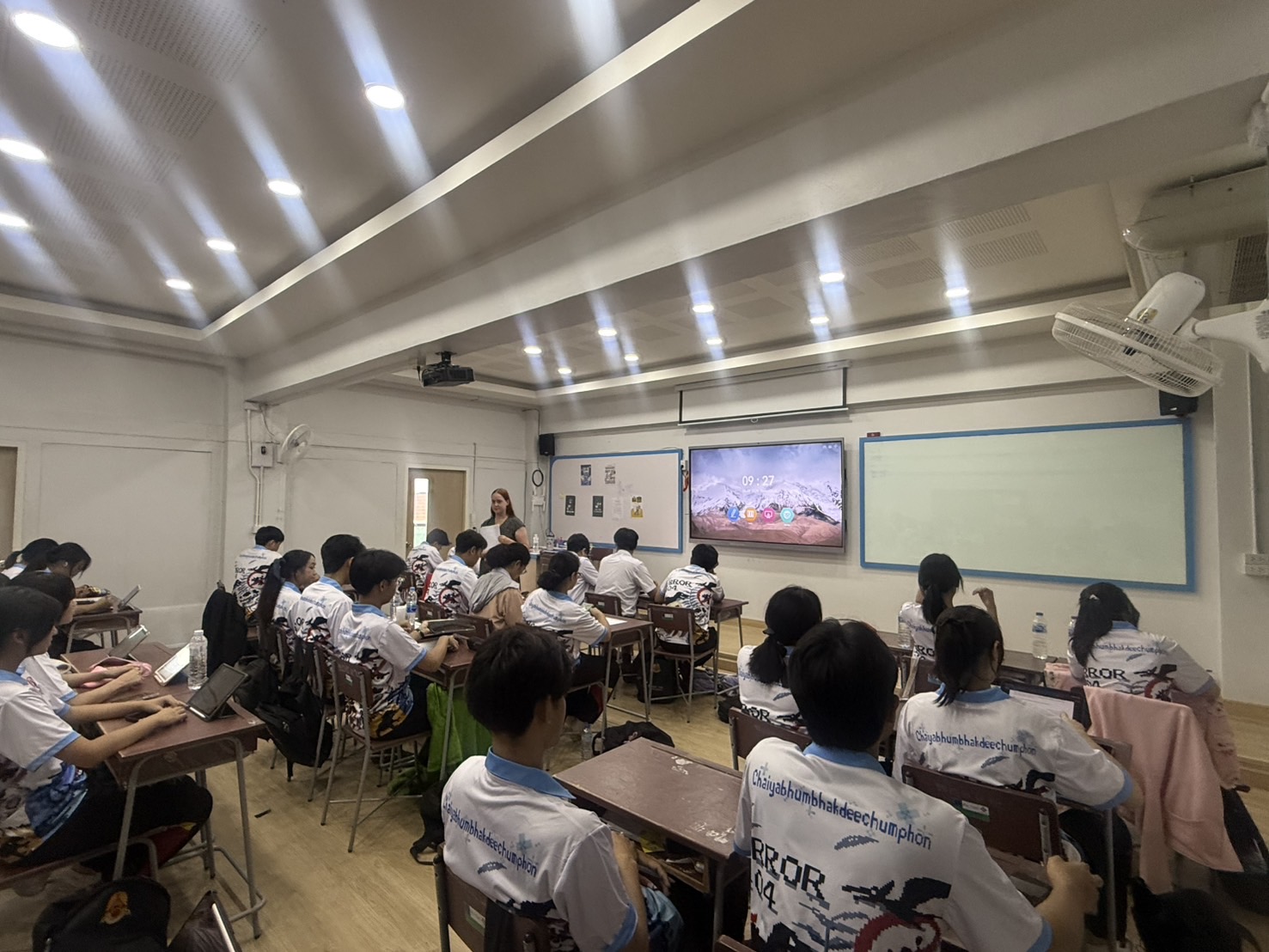
Sometimes Lessons Don’t Go to Plan
One thing I’ve learned is that not every lesson is going to be perfect.
Sometimes an activity you thought would work really well just doesn’t, or students might take longer than expected to understand a topic.
That’s completely normal and it’s all part of teaching.
Rather than worrying about sticking exactly to your original plan, I’ve learned that it’s much better to adapt the lesson as you go. If something isn’t working, change it. If students need more time, give them more time.
Being flexible is probably one of the most important skills you’ll develop as a teacher.
Final Thoughts
Lesson planning definitely becomes easier with experience.
Having the course content, lesson plan templates and clear learning objectives already provided gives you a great starting point, while still allowing you to teach in a way that suits your own classes.
The biggest thing I’ve learned is that every class is different. The more you get to know your students, the easier it becomes to plan lessons they’ll enjoy and learn from.
You don’t need every lesson to be perfect. As long as students are engaged, practising their English and leaving the classroom having learned something new, you’re doing exactly what you’re there to do.
Internationally Accredited & Recognised

 DEAC | AQC

 Highfield (Ofqual Regulated)

TEFL Institute Salary Calculator
Curious about your earning potential as an online English teacher?
Take our quick quiz to estimate your TEFL salary and see what you could earn!

Live The TEFL Adventure
#MyTEFLJourney #TEFLLife