


TEFL Certification for Transition Year
This fully accredited online TEFL course in Ireland is especially designed for Transition Year students. By offering it in your school, your students can earn an internationally recognised certificate all before leaving school.
Why it works for schools:
-
Supports TY learning objectives: Aligns with personal development, global awareness, and skill-building outcomes in the TY curriculum.
-
Enhances school reputation: Offering an internationally accredited course makes your TY programme stand out to parents and prospective students.
-
Encourages independent learning: Students take responsibility for their own modules, promoting autonomy. Minimal supervision required.
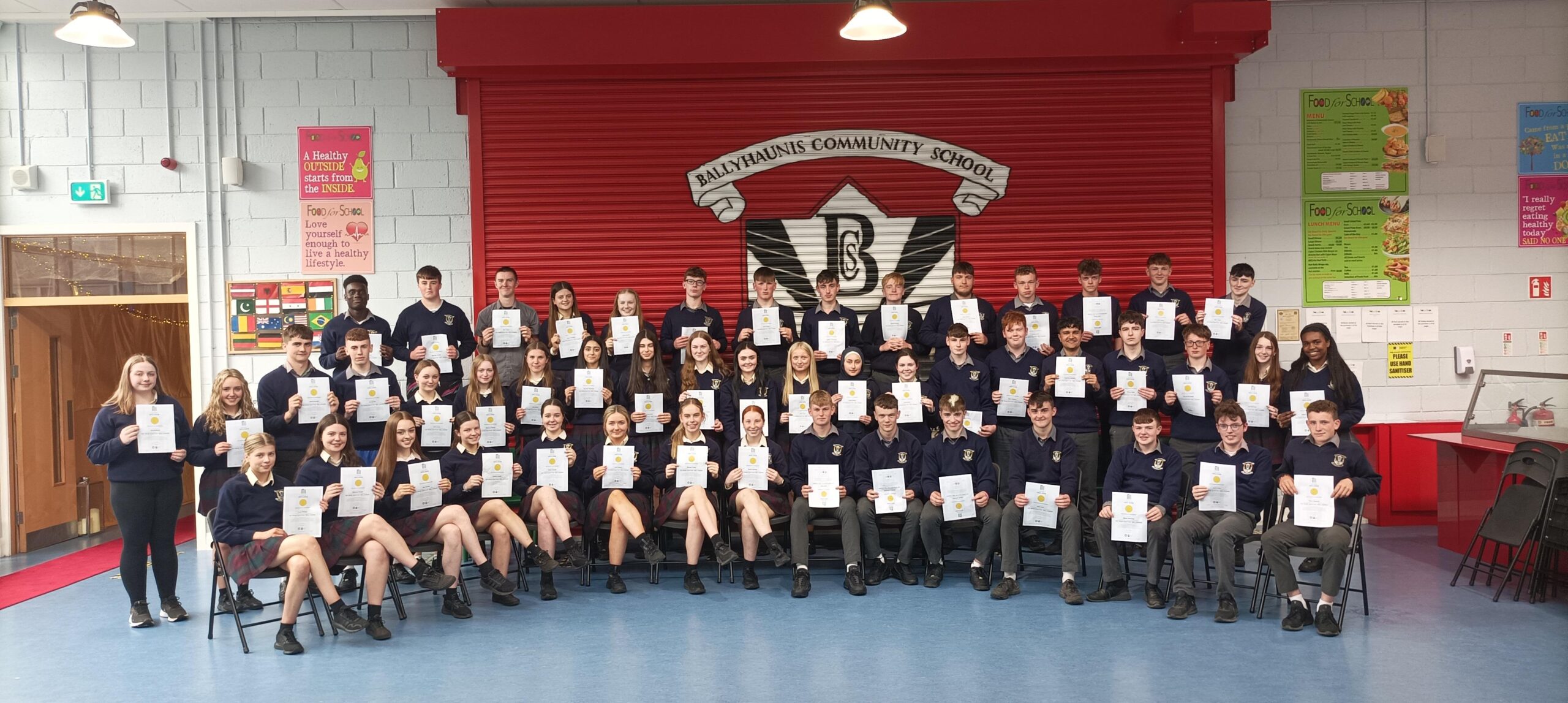
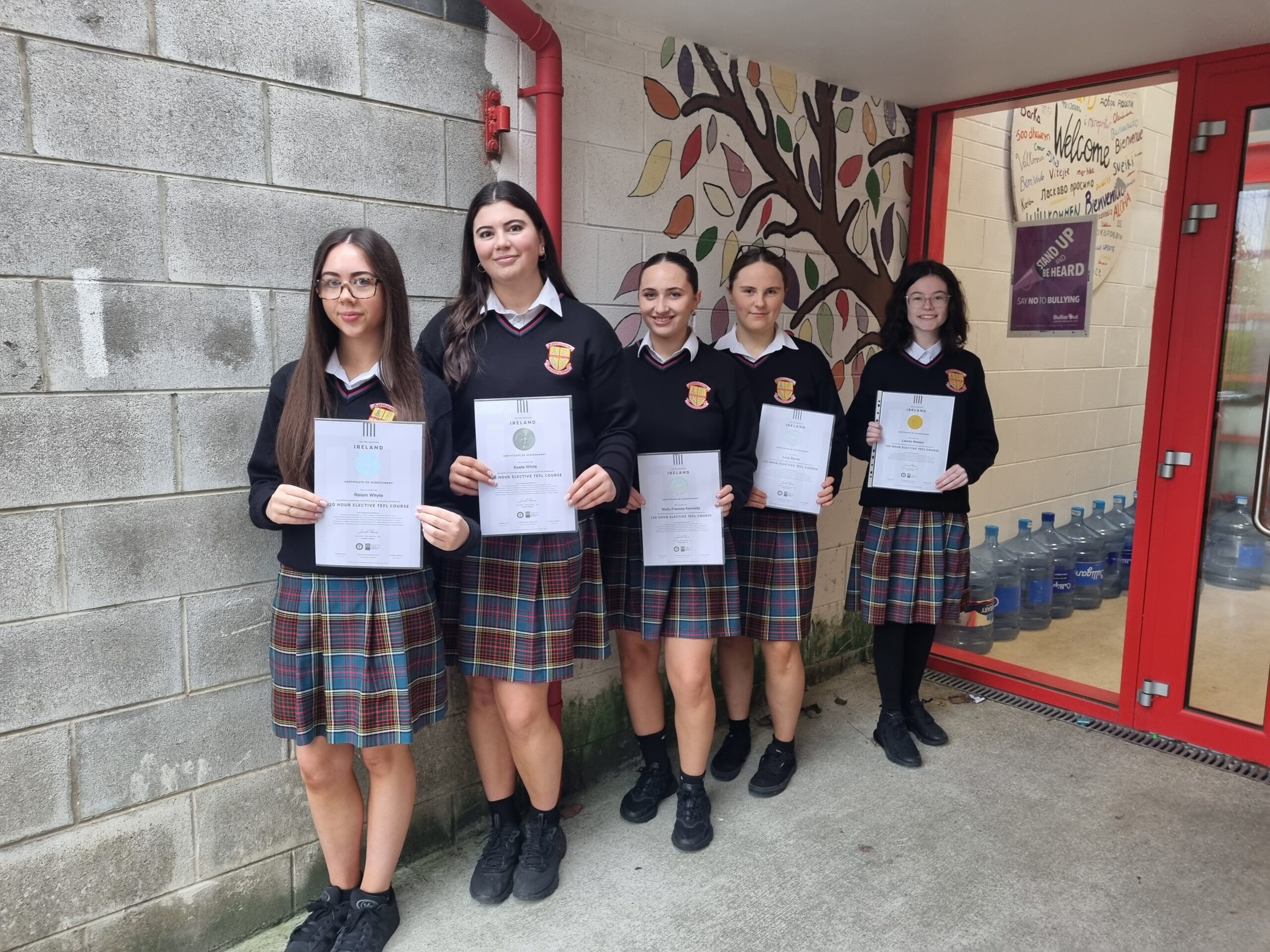
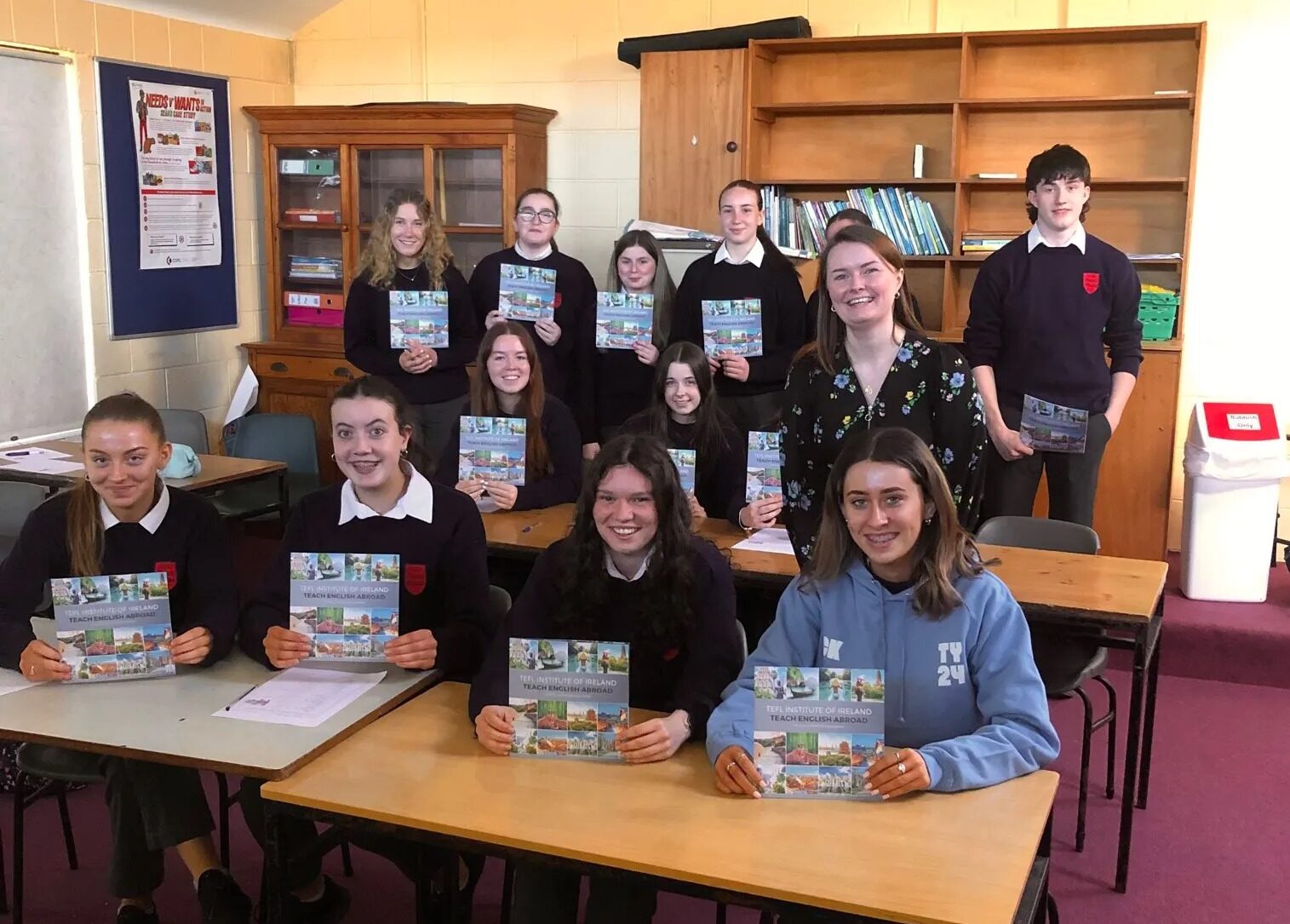
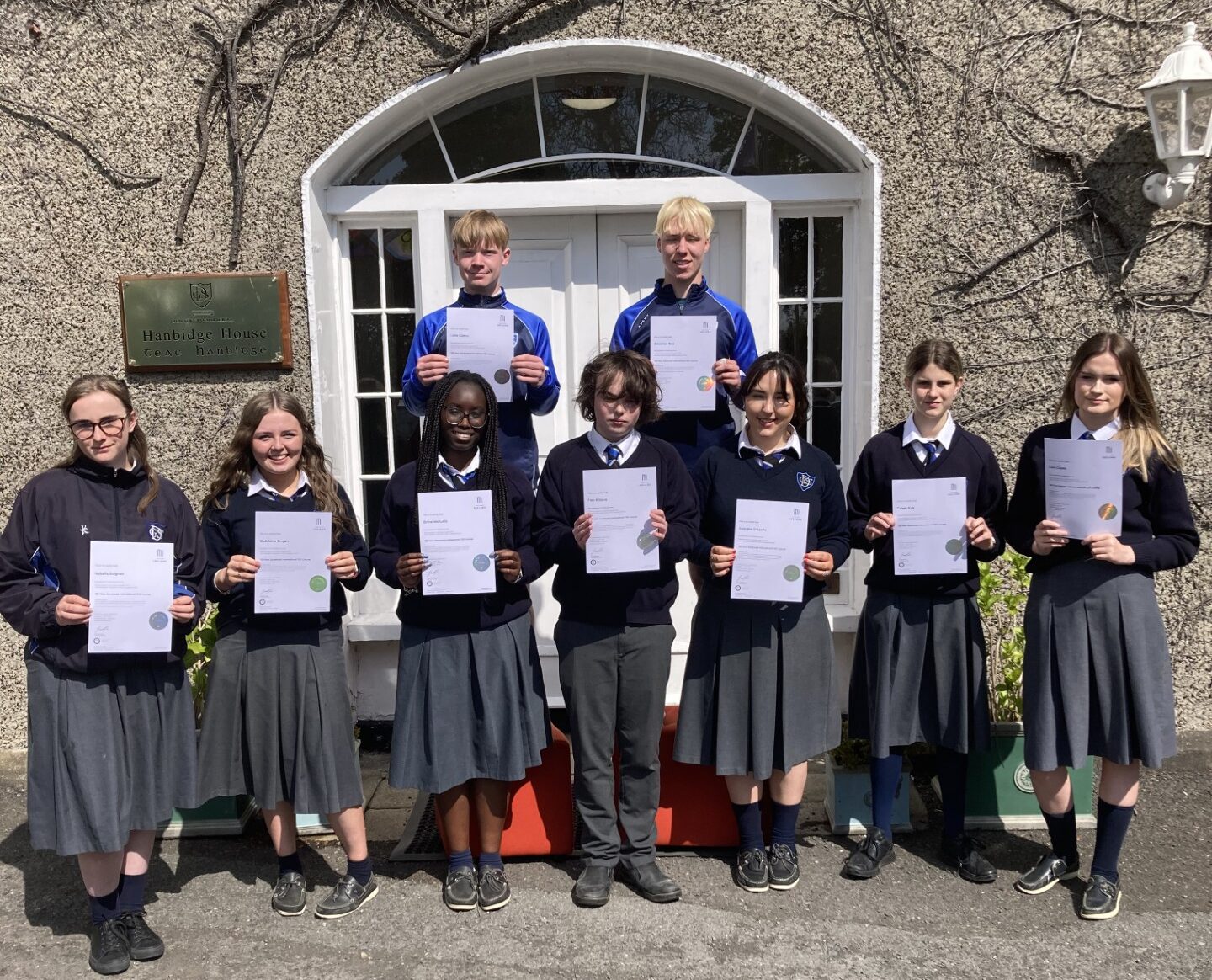
Why Schools Trust Us

Accredited By:
Internationally Recognised
Approved By:

Irish Owned and Operated
Partnered With:
Gaisce Challenge Partner
Benefits That Last Beyond TY
Certification for Life
Once they've got it, they've got it forever — they can use it to teach, travel, and work anywhere in the world.

Safe & Structured Learning
Fully online with structured modules ensures students learn in a secure setting. Minimal supervision required.

Travel & Work Readiness
Travel the globe, earn money, and have epic adventures while experiencing new cultures with this qualification.
Enhances Job Applications
A TEFL certificate shows initiative, independence, and academic achievement—great for CVs and job applications.
Flexible Integration
Students study online on any device with internet and at their own pace with our mobile app.
Featured On




What TY Students Really Think
-
 "The assessments were very rewarding and I liked doing them as they gave me a sense of achievement."
 -
"Great qualification that allows you explore different cultures while teaching and interacting with many different nationalities and personalities and even children with different needs and abilities.” - Sinead, Beara Community School. "
-
"My experience was 10/10 on this course as it was so easy to follow at your own pace. The course is so flexible and gives you so many helpful links which is such a nice touch as well."
-
"Great source of learning and has provided me with a qualification that will unlock endless opportunities for me."
Get Your Free Teacher Brochure
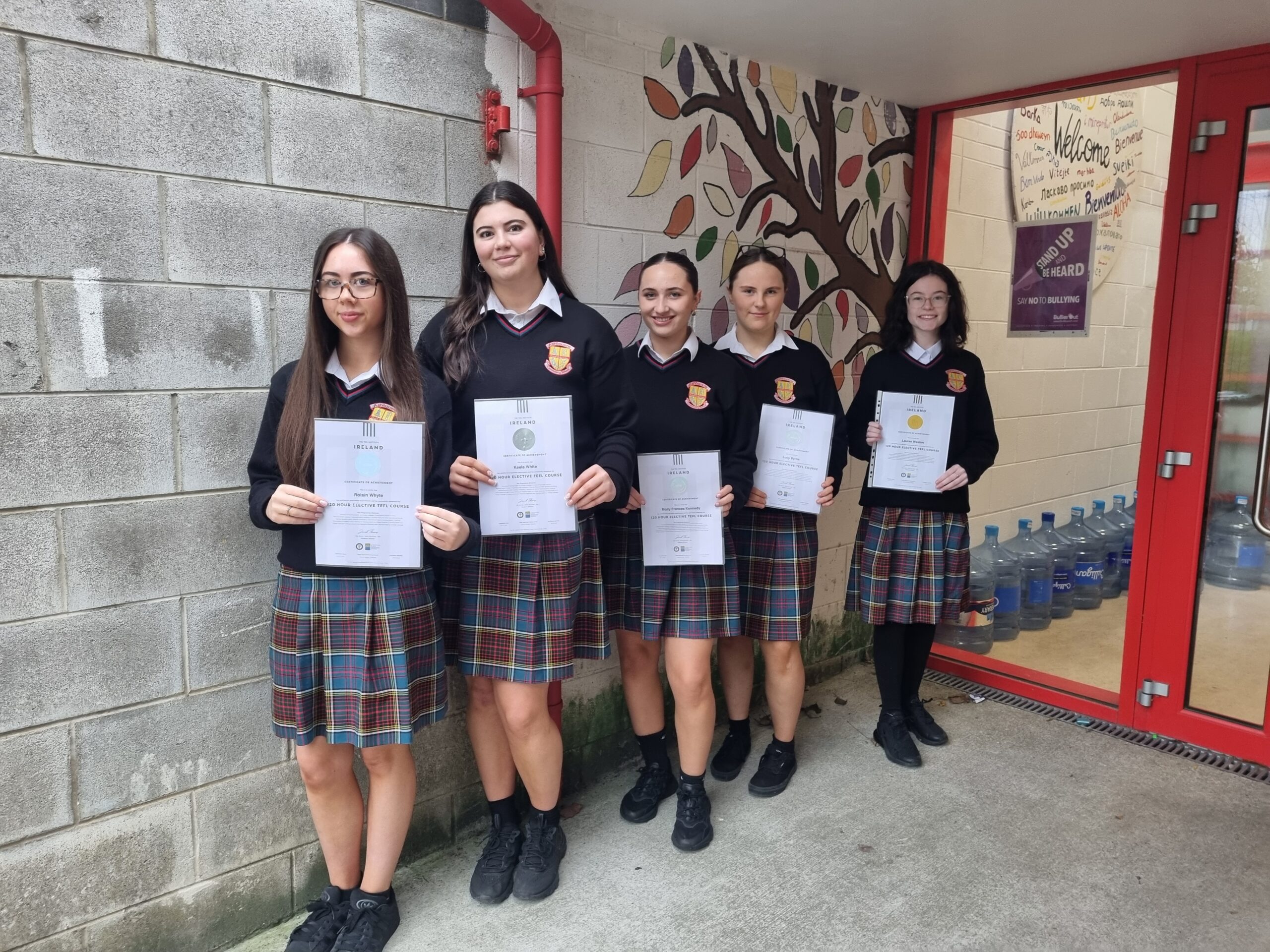
See the Qualification They Will Earn
Give your TY students a recognised qualification. Upon completion, each student will receive a personalised TEFL certificate – a unique achievement to showcase in their TY portfolio.
Transition Year Courses

 Core Qualification
Fast-track Online TEFL Course
Online TEFL Course for Transition Year Students – Accredited & Globally Recognised
- 9 months’ access with average completion of 10-12 weeks.
- Study online from home, in class, or on our mobile app at their own pace.
- Featuring 10 modules packed with interactive quizzes, videos, and activities.
- Earn an accredited certification that lasts a lifetime.
- Teach English locally, online, and abroad to earn money or volunteer.
- Personalised digital certificate and reference letter on completion.
- Lifetime access to our student alumni and webinars.
- Lifetime job assistance service and jobs board membership.

TEFL Careers & Skills Webinar

Sign up your students to discover the exciting paths that teaching English can lead them on. They will uncover the endless career opportunities, get a taster of the TEFL classroom experience, and learn how to put TEFL theory into practice.
This workshop can be completed before or after they have started their TEFL course.
For face-to-face school workshops, please contact Jessica at schoolelective@tefl.ie for bookings. Subject to availability.
Request a Quote
Fill in your details and an advisor will contact with everything you need to know.
How it Works
Seamless for schools. Rewarding for students.

Enrolment
Contact us for a quick quote. Once confirmed, we’ll send your school a simple enrolment code for students. They’ll receive their login details directly via their school email — no extra admin for you.

Study Access
Students can complete the course online at school, at home, or even through our mobile app. They’ll have up to 9 months’ access, with most students finishing in 10–12 weeks at their own pace.
Certification
On completion, each student receives a personalised digital certificate they can add to their TY portfolio or CV. Hard copy certificates are also available for schools that prefer them.

Mini TEFL Courses for TY Students
Short, Practical Courses to Suit Every Student
TEFL for the Digital Classroom
Perfect for TY students exploring digital learning, entrepreneurship, or future online careers.
Students will learn:
-
How to deliver one-to-one online lessons
-
Teaching language skills in a digital space
-
Structuring and planning online classes
-
Building confidence in virtual communication
Early Years TEFL Teacher Course
Perfect for TY students interested in childcare, early education, or social care pathways.
Students will learn:
-
How to support and engage young learners
-
The role of the teacher in early years education
-
Teaching grammar and vocabulary at beginner level
-
Developing receptive skills through interactive lessons
TEFL Grammar Guru Course
Perfect for TY students passionate about languages, linguistics, or improving their English.
Students will learn:
-
Word formation and sentence structure
-
Understanding and applying grammar tenses
-
Practical grammar-teaching techniques
-
How grammar supports English language learning
Breathe & Teach: English with Mindfulness Course
Perfect for TY students interested in psychology, wellbeing, or creative approaches to education.
Students will learn:
-
Introduction to what mindfulness and yoga are
-
The benefits of mindfulness in learning
-
Practical mindfulness techniques for the classroom
-
How to blend mindful activities with English teaching
Common Questions from Teachers
Trusted by Schools Across Ireland
We are proud to work with secondary schools across 20 counties in Ireland. With 8 out of 10 schools renewing their TEFL programme every year, you can be confident this course is a valuable and lasting addition to your TY curriculum.


Meet Our Team
From enrolment to certification, our team is here to make the process simple for teachers and students.

Jessica Jeffery
School Partnership Manager

Rachel Hammond
Academic Director